Advantages of Using Zinc Oxide in Paints and Coatings
As zinc oxide's application range expands and its reputation grows, its advantages are widely recognized. Choosing appropriate application methods during operations yields better results. Below are the main advantages of using zinc oxide in paints and coatings.
Zinc oxide, as a chemical substance, has a wide range of applications. This material possesses a strong refractive index, can absorb ultraviolet light, exhibits strong coloring and hiding power, and has good light and heat resistance. When combined with carboxylic acid ions in coatings, it can further reduce the sensitivity of the paint. If one wants to improve the weather resistance and anti-chalking performance of the paint, zinc oxide can also be added. Therefore, this substance can be used in the production of exterior wall paints. Zinc oxide also exists in different states, such as small particle size and high purity for barrel paints. For indoor paints and latex paints, needle-like zinc oxide can be used to enhance its oil absorption and improve suspension performance.
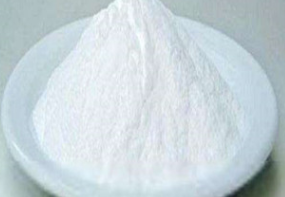
After adding zinc oxide, coatings often become more flexible, durable, and water-resistant, which helps prevent metal corrosion. Zinc oxide is also used in marine coatings to form dense compounds that reduce penetration by corrosive media, providing anti-rust properties. Zinc oxide is suitable for various types of coatings; without it, many coating properties would be compromised. We hope this clarifies the role of zinc oxide in coatings.
This summarizes the advantages of zinc oxide in paints and coatings. Select appropriate methods according to operational regulations to avoid unintended damage. If you have further questions, please contact us — we hope this is helpful.