Specification Requirements for Zinc Oxide Used in Rubber
As the use of zinc oxide in rubber becomes more widespread and its advantages are recognized, it is helpful to review the specification requirements for its application in rubber products.
In the phosphating solution industry, high-content and high-purity indirect-method zinc oxide (typically 99.7%) is generally used because phosphating solutions demand clearer end products. Some manufacturers now use zinc ingots instead of zinc oxide due to market inconsistencies and variable pricing; using ingots can help avoid purchasing counterfeit products.
In the rubber industry there are no particularly strict universal specifications, so allowable zinc oxide purities vary depending on product requirements and performance. Tires and seals often use 99.7% grade, while other rubber products may use different purities. A significant number of customers also use active zinc oxide.
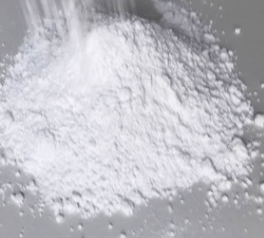
In the ceramic frit industry, mainstream zinc oxide contents are around 75–95%. Many companies use high-lead sub-oxide zinc sources for ceramic frit production. Pigment applications typically require zinc oxide around 99.7% with strict color stability and low iron content; ceramic pigment manufacturers commonly use about 98% zinc oxide.
The above outlines specification considerations for zinc oxide in rubber applications. Given its advantages and growing use, choose the appropriate grade and follow correct operating methods to achieve the best results. We hope this information is helpful.