Effect of Zinc Oxide in Coatings on Color
As zinc oxide is increasingly used in coatings, its properties and advantages are widely recognized. Understanding how zinc oxide affects the color of chemical substances helps optimize coating formulation and appearance.
The perceived color of a coated material depends on selective absorption of different light wavelengths. For example, a material appearing pale yellow under white light absorbs portions of deep blue wavelengths. Changes in particle structure, surface chemistry and temperature can alter absorption characteristics and therefore color.
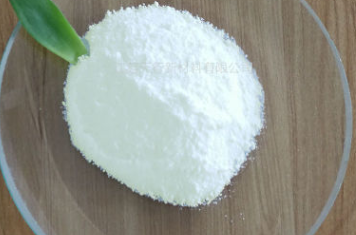
Even for the same chemical composition, different electronic energy states can produce different hues. Active zinc oxide may appear yellow at high temperatures and fade as temperature decreases due to differences in molecular and electronic mobility. Surface-adsorbed oxygen species also influence optical behavior. Proper handling and application ensure consistent color and long-term performance.
This overview highlights key factors affecting color in zinc oxide-containing coatings; correct processing and application practices help maintain stability and durability.