Technological Breakthrough: Microstructure Determines Performance Leap
The performance boundaries of zinc oxide are being broken by atomic‑level precise design. Traditional pyrometallurgical processes are limited by purity and particle agglomeration, while the new generation of "wet‑calcination co‑production process" and "zinc‑based heterostructure composite" technologies have achieved a fundamental transformation from macroscopic mixing to microscopic synergy.
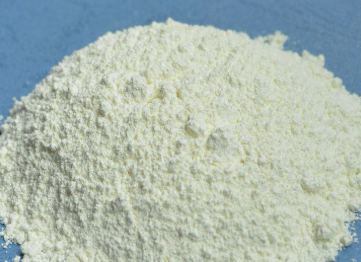
Taking the industry‑leading RA95‑type active zinc oxide for glazes as an example, its core innovation lies in the construction of a [(ZnO)x(Si,Mg,Zn,R)Al₂O₄z]ᵧ zinc spinel‑based dual‑phase system. By precisely regulating the ratio of active functional phase to structural support phase, combined with a two‑stage gradient calcination process, comprehensive optimization from optical bandgap to electron mobility is realized.
Application Map: Cross‑sector Penetration from Traditional Fields to Frontier Tracks
- Ceramic Industry: New active zinc oxide can reduce high‑temperature viscosity by 20%‑30%, broaden the melting temperature range, improve wear resistance, texture, and antibacterial self‑cleaning ability, helping sanitary ceramics meet the new 5A national standard.
- New Energy & Electronics: High‑purity zinc oxide as cathode material for zinc‑air batteries and as filler for 5G chip packaging significantly improves cycle stability, energy density, and thermal management performance.
- Rubber & Coatings: Nano‑zinc oxide contributes to tire lightweighting and low rolling resistance; low‑lead eco‑friendly zinc oxide enables green applications compliant with RoHS and EN71‑3 standards.
Empowered by Smart Manufacturing: Dual Drive of Digitalization and Greenization
In 2026, competition in the zinc oxide industry has shifted from single‑product competition to intelligent synergy across the entire industrial chain. Relying on AI digital twins and modular production units, R&D cycles have been compressed from 18 months to 8 months, and the success rate of new product development has increased to 85%.
Hydrogen‑based reduction, waste heat recycling, and the "Zinc Regeneration 5R System" reduce energy consumption by 22%‑30% compared to the industry average, with waste material recovery rates exceeding 95% and comprehensive resource utilization reaching 99.2%, achieving a win‑win for economic and environmental benefits.